


Understanding Hip Replacement Surgery: A Comprehensive Guide
- Dr. Deepak CE

- Apr 1, 2023
- 3 min read
Updated: Jun 3, 2023
For millions of people worldwide, hip pain is a constant companion that significantly impacts their quality of life. One solution to persistent and debilitating hip pain is hip replacement surgery. But what does this involve? Let's explore the ins and outs of hip replacement surgery.
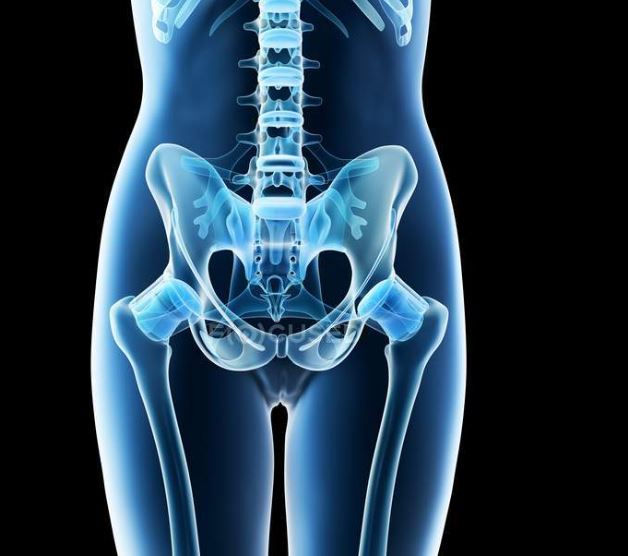
As a professional in this field, I frequently meet patients suffering from persistent and debilitating hip pain. A common solution that we often discuss is hip replacement surgery. Today, I'd like to guide you through what this surgery entails, why it's needed, and what you can expect during the recovery process.
Hip replacement surgery, or arthroplasty, is a procedure where I replace a damaged hip joint with an artificial one. The primary goal of this surgery is to alleviate pain and enhance mobility, contributing to an improved quality of life.
This surgery is typically considered when other treatments such as medication, physical therapy, or adjustments in activity level no longer alleviate pain. Common causes that lead to this scenario are osteoarthritis, rheumatoid arthritis, and osteonecrosis.
As your surgeon, I perform the procedure under general anesthesia or spinal block. I make an incision over the front or side of your hip, work through the layers of tissue, and remove the damaged bone and cartilage, leaving healthy bone untouched. The damaged socket is replaced with a metal shell, and a plastic liner is inserted. The upper part of your femur is replaced with a metal stem that fits into your thighbone, and a metal or ceramic ball is placed on the stem's upper part.
Two main types of hip replacement surgeries are Total Hip Replacement (THR) and hip resurfacing. THR, where both the acetabulum (hip socket) and the femoral head (the ball at the top of the thighbone) are replaced, is the most common. Hip resurfacing, which involves replacing the surface of the hip joint, is preferred for younger, active individuals.
Post-operative care is critical for recovery. It starts right after surgery with simple exercises to prevent blood clots, boost circulation, and mobilize the new joint. Physical therapy plays a significant role in recovery, helping you restore hip movement and strengthen the muscles around the hip. You may initially need a walker, crutches, or a cane, but as recovery progresses, you'll likely need them less and less.
While hip replacement surgery can be transformative for many patients, it carries risks like any other surgery, including infection, blood clots, hip dislocation, changes in leg length, and prosthesis problems. It's crucial to weigh these potential risks when considering surgery.
If you're suffering from severe hip pain, hip replacement surgery can be a life-changing procedure, offering a return to an active, less painful life. As an experienced orthopaedic surgeon at Ekaiva Health, I specialize in hip replacement procedures, providing a unique combination of advanced medical expertise, modern facilities, and a patient-centric approach to healthcare.
Whether you are contemplating hip replacement surgery or have just started researching potential treatment options, my team and I at Ekaiva Health are dedicated to providing quality care every step of the way. My commitment to ongoing learning ensures that you have access to the latest advancements in hip replacement surgery.
Each patient is unique, and my team and I are committed to providing personalized care that reflects this. From your initial consultation through post-operative care and recovery, we will work with you to understand your needs and develop a treatment plan tailored to you.
Here at Ekaiva Health, our comprehensive approach, including education, surgical excellence, and focused rehabilitation, provides an optimal environment for your hip replacement journey. Our goal is to help you return to your daily activities with less pain and improved mobility.


Comments