


Understanding Risks and Complications in Fracture Fixations
- Dr. Deepak CE

- May 8, 2023
- 3 min read
Updated: Jun 3, 2023
Fracture fixation is a surgical procedure to stabilize and align broken bones to allow for proper healing. Depending on the nature and location of the fracture, various techniques such as internal fixation (using plates, screws, or nails inserted into the bone) or external fixation (using pins or screws placed into the bone from outside the body connected to a stabilizing structure) are employed. While these techniques are generally safe and effective, like all surgeries, they carry some risks and potential complications. In this comprehensive guide, we aim to provide you with an understanding of these associated risks and how they are managed.
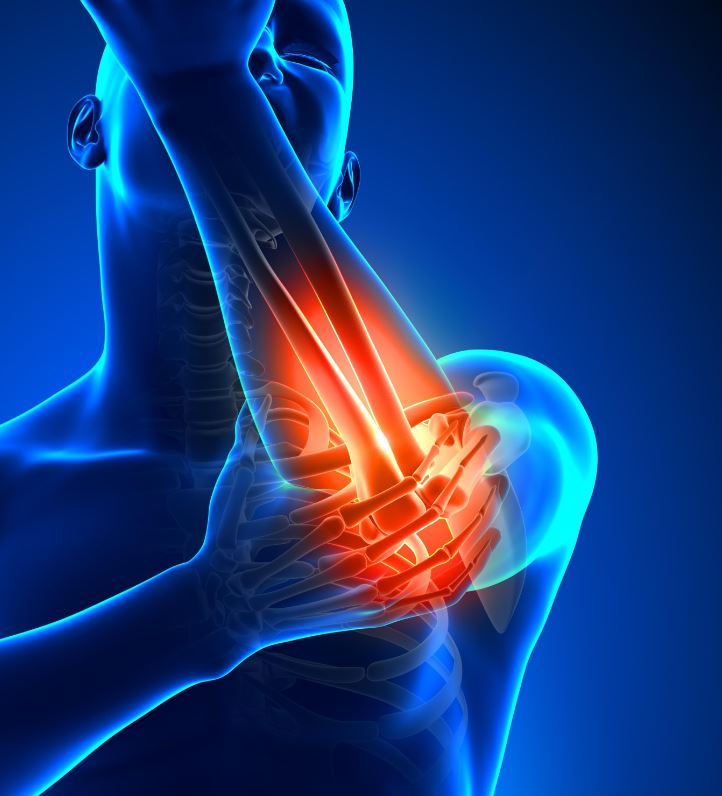
I understand that surgical procedures, such as fracture fixations, might bring with them concerns about potential risks and complications. In this guide, my aim is to provide a clear understanding of these potential issues, as well as how they can be effectively managed.
Infection
Infection is a risk that exists with any surgical procedure. Despite stringent sterilization measures, bacteria might occasionally infiltrate the surgical site. If you notice redness, swelling, pain, or develop a fever post-surgery, please reach out to us immediately. In most cases, early detected infections can be treated with antibiotics, although in rare cases, additional surgery may be required.
Damage to Nerves or Blood Vessels
There's a risk of inadvertent damage to surrounding nerves or blood vessels during the procedure, which can lead to numbness, tingling, muscle weakness, or even paralysis. The risk of such complications is generally low, thanks to the careful measures we take during surgery.
Non-Union or Malunion
Non-union, where the broken bone fails to heal, and malunion, where the bone heals incorrectly, are potential complications of fracture fixation. A variety of factors can contribute to these complications, such as poor blood supply, instability of the fracture site, or certain lifestyle factors like smoking. We may need to perform additional surgery to address these issues, should they occur.
Implant Failure
In the process of fracture fixation, we often use metal plates, screws, or rods to stabilize the fracture. These implants can, on rare occasions, break or become loose. This risk is higher in patients who exert excessive weight on the operated limb too soon, or in those with poor bone quality. If implant failure occurs, a revision surgery may be required.
Reaction to Anesthesia
Anesthesia, while necessary for your comfort during the surgery, may sometimes cause adverse reactions. Our trained anesthesiologists are well-prepared to anticipate and manage these risks.
Thromboembolic Complications
Following surgery, your risk of developing a blood clot or thrombus increases due to immobilization. These clots can be life-threatening if they travel to the lungs, causing a pulmonary embolism. We often encourage patients to move as soon as feasible after surgery, and in certain cases, may prescribe anticoagulant medication.
While these complications might sound intimidating, rest assured they are not common, and I, along with my team at Ekaiva Health, take numerous precautions to minimize these risks. It's crucial that we discuss the potential risks and benefits of the surgery during your consultation.
At Ekaiva Health, our focus is not only on performing the surgical procedure meticulously, but also on providing comprehensive postoperative care to facilitate a smooth recovery. We will provide detailed instructions for your postoperative care, which can help prevent infection and aid in your healing process.
Importantly, a healthy lifestyle can further reduce these risks. This includes maintaining a bone-healthy diet, avoiding smoking, and following a regular exercise routine as recommended by our healthcare team.
Understanding that surgery can be a stressful experience, we believe in offering emotional as well as physical support to our patients. We're committed to ensuring that you feel comfortable, informed, and confident throughout your recovery journey.
In the unlikely event that a complication occurs, trust that with my extensive experience and expertise, I am well-prepared to manage it effectively. My commitment is to help you overcome challenges and return to your regular activities as quickly as possible.
In conclusion, while fracture fixations carry certain risks, these can be effectively managed and minimized with the right precautions and postoperative care. Rest assured that you are in capable hands at Ekaiva Health, Bangalore.


Comments